Relocating
in Iceland

This page contains:

Relocating

There are many websites that provide good information on relocating in Iceland.

The Multicultural Information Centre for example has a very useful site in English that can provide you with information about moving to or living in Iceland and detailed advice and assistance.

The aim is to enable every individual to become an active member of Icelandic society, regardless of their background or origins.

Another useful site is the Island.is site, which contains all kinds of useful information for your relocation to Iceland. Visit their page on moving, here.

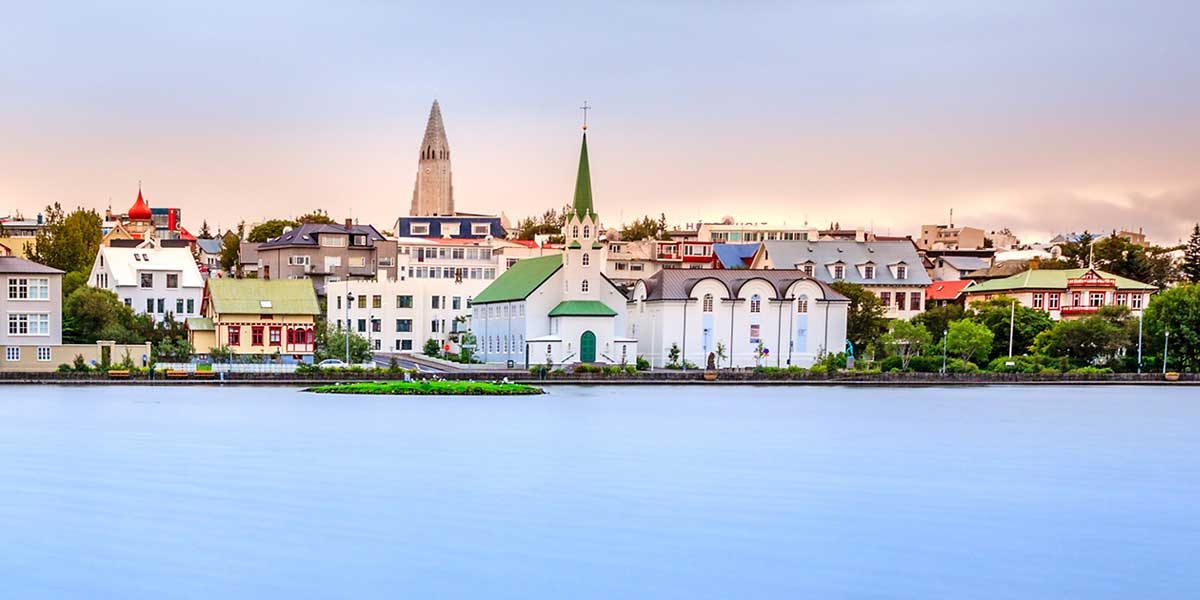
Reykjavik_Lake

Renting a home in Iceland

Most landlords ask for a deposit plus one month’s rent. The deposit will be refunded when moving out. Alvotech can provide letters of recommendation for its employees. If any damage is done to the accommodation, the landlord is allowed to withhold the sum required to repair the damage from the deposit. Generally speaking, a lease is signed between the landlord and the tenant. Some landlords use a standard lease agreement from the Ministry of Social Affairs in Iceland. Before signing a lease, it is important to read it carefully and understand its regulations.

Rent prices fluctuate with the housing market, but the current monthly rate is around ISK 250,000.

“Never send any money or deposit without seeing the apartment in person or at least through the video chat”

Useful sources for finding rentals

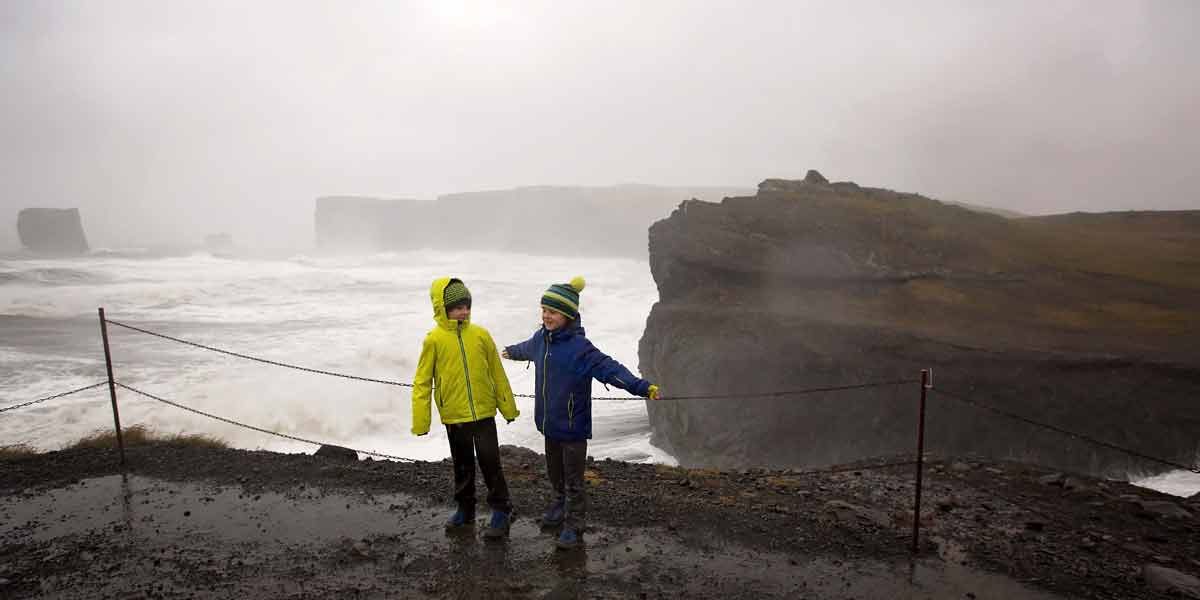
Iceland_Children-on-coast

Elementary education

The education system in Iceland is divided into four levels: kindergarten, compulsory, upper secondary and higher, and is similar to that of other Nordic countries. Education is mandatory for children aged 6–16. Most institutions are funded by the state and there are very few private schools in the country.

“A fundamental principle of the Icelandic educational system is that everyone should have equal opportunities to acquire an education, irrespective of gender, economic status, residential location, religion, possible disabilities, and cultural or social background.”

International schools

There are two international schools in Reykjavik:

–  The International Department of Landakotsskóli

For more information and admission details, visit their website here. Admission Information here

–  International School of Iceland

Admission Information here.


Kindergarten

Kindergartens are available to all children from the age of two until they start primary school at age six. Some kindergartens accept children from the age of one.

Kindergarten is cheaper than a day parent, although the exact price depends on which town or municipality you live in.

Website for applying or registering your child for day care:

Healthcare

Healthcare in Iceland

Iceland maintains a universal healthcare system, under which all legal residents are covered by the Icelandic social insurance system. Sjukratryggingar Islands (Icelandic Health Insurance) administers the health insurance. An individual who has insurance pays less for health services. All hospital admissions are paid for by this system, as are most of the costs of outpatient appointments. There is a fee to see General Practitioners (GPs) and specialists, with fees for the latter being considerably higher.

“The work of public health and preventive medical services are an important part of improving or maintaining good health and increasing well-being in Iceland”


Who is insured under the Icelandic health insurance system?

Everyone who has been legally resident in Iceland for six months automatically becomes a member of the Icelandic social insurance system, regardless of nationality.

You will need to purchase the health insurance before submitting your visa application. Alvotech purchases the insurance for its employees.

More information about this can be requested from international@sjukra.is


How does the Icelandic Health Insurance system work and what does it cover?

A fee is paid for each medical consultation and other services, which is fixed by regulations. The extent of patient participation in the costs of the health care services varies according to the service in question. Discount cards known as afsláttarkort  are also issued once you have spent over a specified amount. This figure is subject to change from year to year and based on healthcare costs in one calendar year. You do not need to apply for the discount card as it is added automatically.


What to do if I am sick? 

Health care clinics: The Primary Health Care system of the Capital Area operates fifteen health clinics and four additional specialized centers in Reykjavik and the vicinity. The Health Centers are open from Monday to Friday, 08:00 – 16:00. The health clinics are focused on neighborhood services and are expected to serve inhabitants of particular parts of the capital city area. Here is a link to a map showing locations and service areas. You will need to call to book a doctor’s appointment.

Beyond these hours most healthcare clinics offer an afterhours service that costs considerably more. However, this means you can usually see a doctor that day. At most clinics you need to call between specific hours to book an afterhours appointment, you will need to call your local clinic to find out how this works as it varies between each clinic.

“In an emergency you should call 112”


Psychiatric assistance and domestic violence

If feeling depressed or anxious it is important that you seek help. The most logical starting point would be to visit the health center (Heilsugæslan). A doctor at the health centre can advise you to find an English-speaking psychologist. For an immediate serious mental you can go or seek an assistance for yourself or a family member at the walk-in department of the Psychiatric ward of the National hospital (Landspítali Íslands).

If your partner or someone close to you is showing violent behaviour you should start by calling the police in 112. The police will assist you with the next steps. Partners who experience domestic violence or any other type of violence can get an assistance quite easily, for example at the Women´s shelter and Bjarkarhlíð.

Hospital, out of hours clinic & Pharmacies

Landspítali Háskólasjúkrahús / University Hospital

Fossvogur location, Tel. +354 543 1000

Emergency Room, Tel. +354 543 2000

The emergency service in Fossvogur is open 24 hours a day and is intended for general, urgent medical care regarding accidents or severe health problems. You do not make an appointment.

Læknavaktin (out of hours clinic)

Address: Austurver, (Háaleitisbraut 68) 103 Reykjavík

Telephone number: 1770

This service is intended for those seeking urgent, general medical service during “off-hours”. The shift is open on weekdays from 17:00 – 23:30, and on weekends from 08:00 – 23:30. You do not need to book an appointment, and it is also possible to seek medical advice by phone, tel.  1770.

Pharmacies and prescriptions


Pharmacies are called Apótek and they are generally open during weekdays from 10 AM – 6 PM, Saturdays 10 AM – 4 PM and closed on Sundays or public holidays.

Very few have extended hours. In Reykjavik, Lyfja on Lágmúli 5 (tel. 533-2300) near the Reykjavik Hilton Nordica, is open until midnight.

Pain relievers, cold / flu / allergy medicines, eye drops, etc.  are all sold over the counter. If you require a prescription medication, you will need to obtain a prescription from an Icelandic physician. Since pharmacies have limited locations and opening hours in the rural areas of Iceland, we recommend bringing any important medications with you from home.

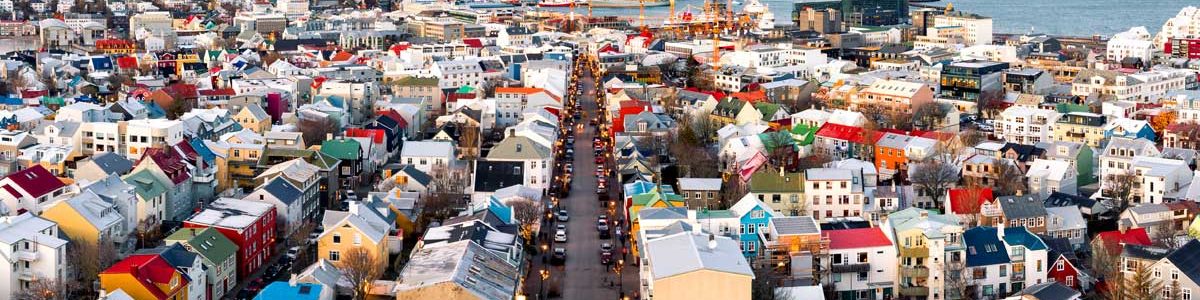
Reykjavik seen from Hallgrimskirkja church

Getting a drivers license

To drive a car in Iceland, you need a driving license. If you are in Iceland for a short time, an overseas driving license is generally accepted as valid.

Here you can find the regulations regarding driving licenses in Iceland (in Icelandic only). Article 29 covers the validity of foreign driving licenses in Iceland. Contact the District Commissioner for more information about what rules are in effect regarding driving licenses in general, whether they be Icelandic or foreign.

Driving licenses issued in the European Economic Area (EEA) are valid in Iceland, for the same class of vehicle for which they were issued in the country of origin.  A license remains valid until its expiry date, although not past the age of seventy. Driving licenses issued in non-EEA countries are valid for up to one month after the license holder has registered a legal domicile in Iceland.

“Off road driving is illegal in Iceland! Icelandic nature is unique and untouched in vast areas, and we want to keep it that way in the future. Off road driving is subject to high fines and even imprisonment!”


How to get a driver’s license?

The general legal age for driving in Iceland is seventeen. To obtain authorization to take your driving test, you must apply for a driving license with your local District Commissioner or the Police Commissioner of the Reykjavik Metropolitan Police in Reykjavik. You can apply anywhere in Iceland, wherever you are a resident.

Driving tests are regularly conducted by Frumherji, which has service locations throughout the country and organizes tests on behalf of the Icelandic Transport Authority. When a student driver receives a test authorization, a written test has to be taken. A practical test may be taken only once the written test has been passed. Students may have an interpreter with them in both tests but must pay for such services themselves.

See info on the Frumherji site (in Icelandic).

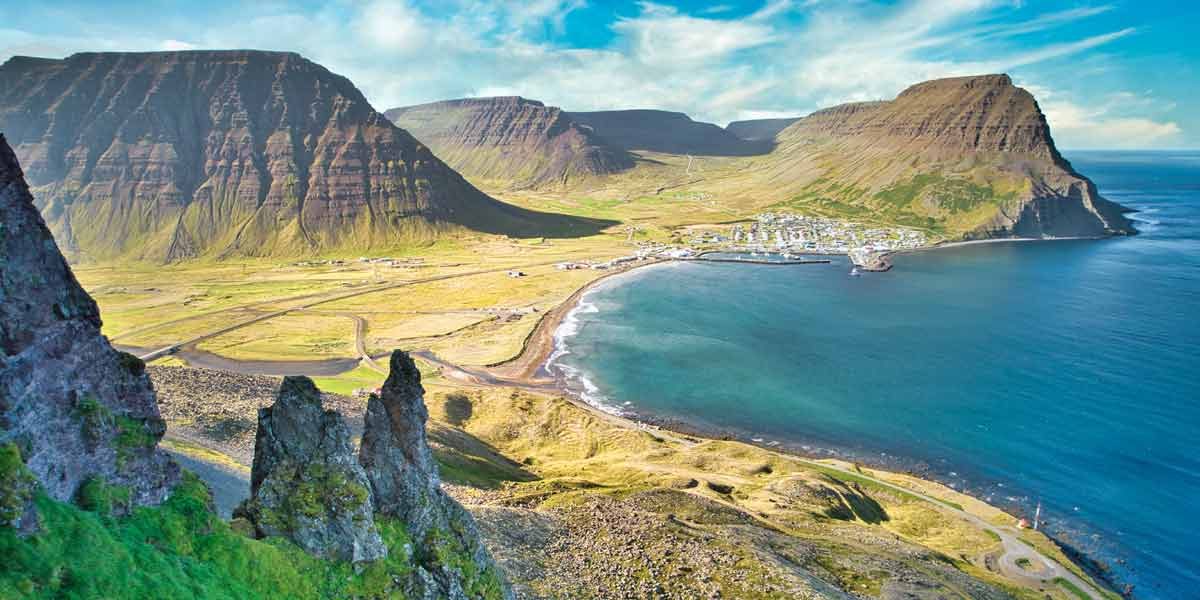
Iceland-town

Finances & Banks

Mandatory pension

The Pension Act No. 129/1997 provides for a mandatory affiliation to the pension fund provided for in the applicable collective agreement, for all workers between the ages of 16 and 70. The membership of a workers’ pension fund is determined by the collective agreement on which the basic wages for each worker are determined.

The minimum contribution as from January 1, 2007 is 12%, of which 4% are deducted from the worker’s wages and 8% which is added by the employer.

The contribution base is comprised of all types of wages or compensation for work which is subject to income tax. The contribution base shall not, however, include benefits paid in kind, such as clothing, food or accommodation, or payments which are intended to cover expenses paid, e.g. vehicle allowances, per diem and food allowances.

The workers 4% contribution is deducted from their income before taxes are levied. The tax liability is postponed in the sense that the pension benefits are taxed as income from employment when they are eventually paid out.

Supplementary pensions

Law and collective agreements provide for a framework of supplementary pensions contributions. Final arrangements, however, are made on an individual basis as part of the contract of employment. A worker who pays 2% of his pay into a supplementary pension scheme receives a counter-contribution of 2% from his employer.

More Information


Banks

There are three major banks here, and it is recommended that you get an Icelandic bank account and a debit card. With a debit card, you can withdraw money from kiosks or ATMs, or charge directly to your account from the store. To open an account at any of the banks you will need your ID number (kennitala), passport, and two passport photos. Visa, Mastercard and, to some extent, American Express cards, are widely used and accepted.

“Note: Alvotech can assist expats in opening a bank account.”

Reykjavik - fireworks on New Years Eve

Culture shock

One of the most common challenges outsiders face in Iceland is dealing with “culture shock.” Culture shock is a feeling of disorientation many people feel when experiencing an entirely new way of life. Many people find it difficult to adjust.

It is important to stress that culture shock is entirely normal, usually unavoidable and not a sign that you have made a mistake or that you won’t manage. In fact, there are very positive aspects of culture shock. These experiences can offer us significant lessons and make us more aware of aspects of our own culture as well as the new culture we have entered.

“Explore the oddest things about the people in Iceland and Icelandic culture. Learn what’s behind all weird things written about Iceland online. Find out why Icelanders are so friendly.”

Tips that might help ease your transition:

  • Simply understanding that this is a normal experience may be helpful.
  • Maintain your confidence in yourself; follow your ambitions and continue your plans.
  • Most importantly, be prepared to open yourself to new experiences; be prepared to learn, not only in the classroom, but in your interactions with new people every day.
  • Keeping in touch with home is an important part of living in a different country. The internet makes it very easy to maintain regular contact also by sharing news, information, and photos of your life in Iceland.
  • Eat a healthy and balanced diet.
  • Take regular exercise. As well as being good for your health, it can also be a way of meeting people.


Mobile services, TV and internet

Everyone wants to be able to keep in touch. For that, you need to be able to have access on the go. There are three main phone companies here, each with different offers. The quality of the service is good for each carrier. Each carrier has a store in the Kringlan mall and they all speak very good English.

To see the services and special deals they offer at any given time, it’s best to consult their websites:


Nova

Offers mobile phones and internet.

The newest phone company in Iceland. They offer a plan for a fixed amount a month and free calls and texts to other NOVA numbers, you only pay extra for the data plan you want. Many young people in Reykjavik are using Nova.


Siminn

Offers TV, Internet and mobile phones.

Has a variety of plans, including a combination of minutes and data for a fixed amount.  

It is important to note that almost all services in Iceland require an ID number, or “Kennitala.” Prepaid services, however, do not.

  • Siminn webstite
  • Siminn (“prepaid” – in English)                         


Vodafone

Offers TV, Internet and mobile phones.

Vodafone has a variety of plans, including simple pre-paid cards, and subscriptions at varying price points.


For Alvotech employees: Alvotech has a contract with Vodafone, you can contact the IT team to get the Vodafone plans at a subsidized rate.

Important websites
when relocating to Iceland

Pages with useful information for expats

Map of Iceland